Cetinje: Montenegro's Old Royal Capital
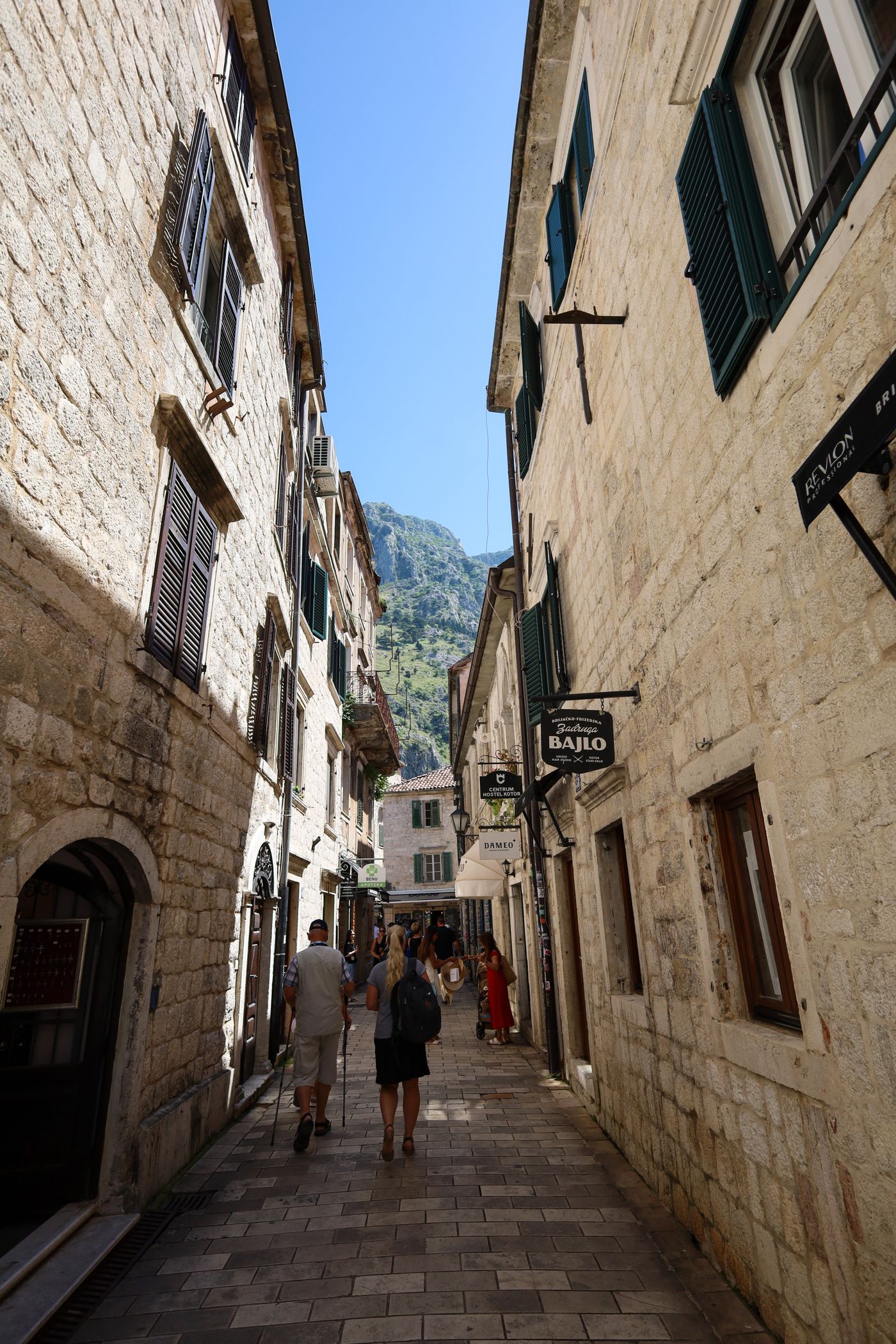
Half an hour inland from the coast, over the mountain wall behind Kotor, Cetinje sits in a high karst field surrounded by bare grey peaks. It is a small town that was once a country's entire capital, and it still carries itself like one: low ochre palaces, an old monastery, and a main street built for ceremony rather than traffic.
Why a capital ended up here
Cetinje was founded in the 1480s when the ruler Ivan Crnojević retreated inland from Ottoman pressure on the coast and built a court and a monastery in the most defensible place he could find. The surrounding mountains that make it feel remote today are precisely why it was chosen.
It remained the seat of Montenegrin power for over four centuries, and in the late 1800s, when Montenegro won international recognition, the great powers sent ambassadors here. Their legations still line the streets, which is why a town of this size has a diplomatic quarter at all.
What to see
Cetinje Monastery holds the relics that make it one of the most significant Orthodox sites in the region, and it is still a working monastery, so dress accordingly and expect quiet.
King Nikola's Palace, the modest residence of Montenegro's only king, is now a museum of the royal era and gives a clear sense of how small and personal this court was. Biljarda, the older residence next door, is named after the billiard table hauled up the mountain from Kotor by hand in the 1840s. The National Museum complex around them covers Montenegrin history and art.
The road up from Kotor
The classic approach is the old Kotor serpentine, twenty five hairpins stacked up the mountain face with the whole bay unfolding below. It is one of the great drives in Europe and the reason many people visit Cetinje as part of a longer day rather than as a destination on its own.
The road passes Njeguši, the village that gave Montenegro its royal dynasty and its famous smoked ham, and continues to Lovćen National Park with the Njegoš Mausoleum on the summit. Cetinje sits just beyond, which is why these four usually appear on the same itinerary.
How long to give it
The centre is compact and walkable, and two to three hours covers the monastery, a palace and a wander down the old legation street. Most guided days from Kotor pair it with Lovćen and Njeguši, which is the combination that makes the mountain drive worth doing in the first place.
Book this experience
Live availability from our booking partner.
Tours are booked through our booking partner; we may earn a commission at no extra cost to you. Learn more

