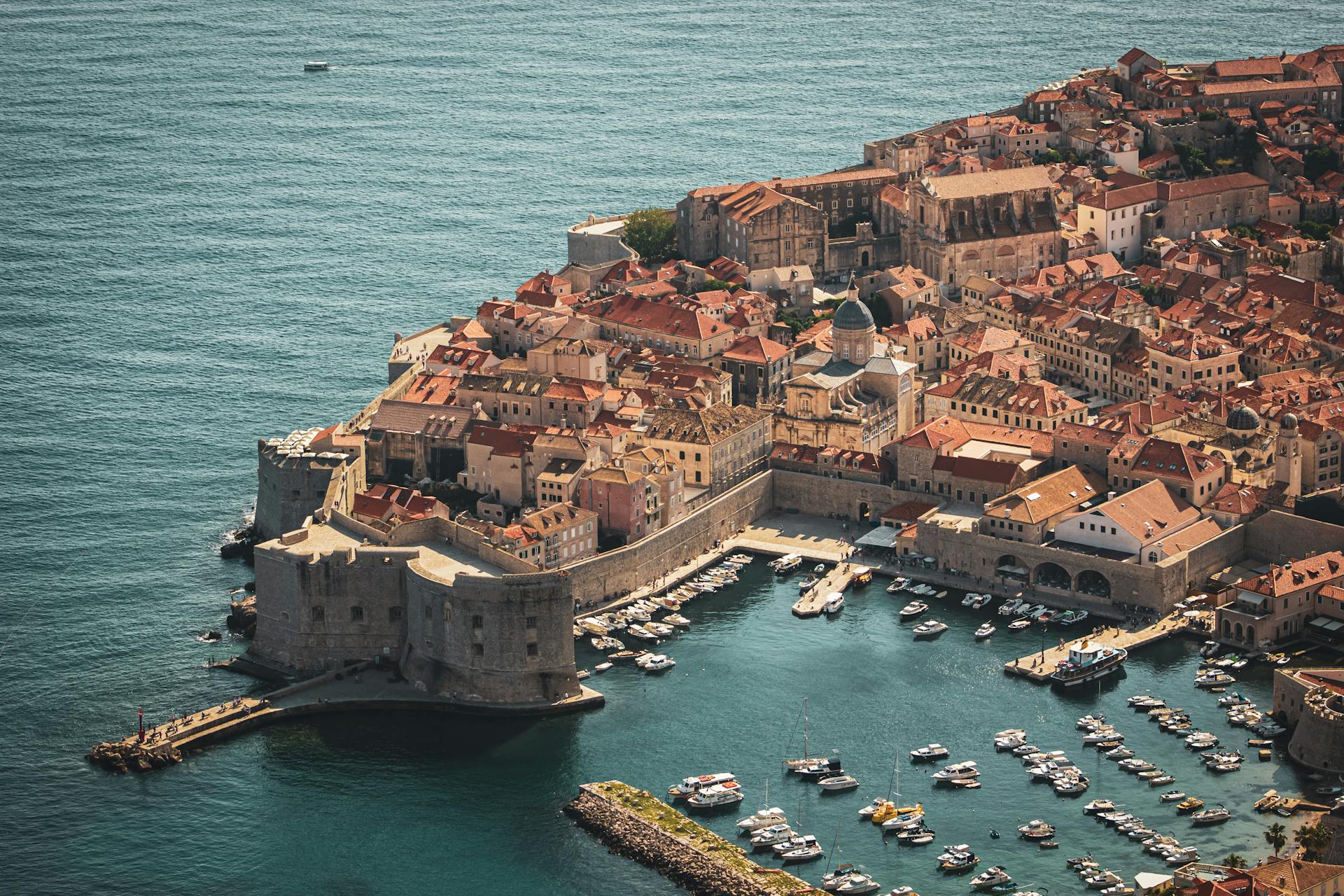
A Dubrovnik day trip from Kotor is one of the most popular cross-border excursions in the Adriatic region. Just a few hours from the Bay of Kotor, Dubrovnik offers monumental medieval walls, Renaissance palaces, panoramic Adriatic views, and centuries of maritime history that once rivaled Venice itself. Whether you plan to self-drive, take the bus, or join a guided Dubrovnik day tour from Kotor, this guide covers border crossings, route options, practical planning, and the most important historical attractions inside Dubrovnik’s UNESCO-listed Old Town.
Why Take a Dubrovnik Day Trip from Kotor?
Dubrovnik sits just across the Montenegro–Croatia border and offers a striking contrast to Kotor. While Kotor feels intimate and enclosed by mountains, Dubrovnik feels grand and outward-facing, built as a proud maritime republic looking toward the open Adriatic. The distance from Kotor to Dubrovnik is approximately 90 km (56 miles). Travel time is typically two to three hours each way, depending on traffic and border conditions. If you’re staying in Kotor, Perast, Budva, or elsewhere in the Bay, Dubrovnik is one of the most rewarding day trips from Montenegro.
The Historical Connection Between Kotor and Dubrovnik
Although they now belong to different countries, Kotor and Dubrovnik were historically connected through commerce, diplomacy, and maritime networks. Dubrovnik operated as the independent Republic of Ragusa from 1358 to 1808, while Kotor was under Venetian influence for much of the same period. Both cities built powerful defensive systems and prospered through Adriatic trade routes linking ports across the Mediterranean. Merchants and sailors moved between the Bay of Kotor and Dubrovnik for centuries, and the shared architectural language—limestone streets, fortified gates, Gothic windows, Renaissance palaces, and baroque churches—is still visible today. The difference is scale and status: Dubrovnik’s walls and civic buildings reflect its identity as a sovereign republic, while Kotor reflects Venetian strategic protection within the Bay.
How to Get from Kotor to Dubrovnik
Self-driving from Kotor to Dubrovnik (most flexible)
Driving from Kotor to Dubrovnik gives you the most flexibility and allows scenic stops along the Adriatic coastline. The most common route follows the coast through Herceg Novi and crosses into Croatia at Debeli Brijeg (Montenegro side) / Karasovići (Croatia side), then continues to Dubrovnik. In good conditions, the drive takes around two hours; in summer, border queues can add 30–90 minutes. For the smoothest experience, depart early (before 8 AM), and avoid returning to the border at peak afternoon times if possible.
Border crossing requirements and tips (Montenegro to Croatia)
Croatia is in the EU and Schengen Area, while Montenegro is not, so you will go through international passport control in both directions. Bring a valid passport and ensure you meet visa requirements for Croatia/Schengen if your nationality requires it. If you’re driving a rental car, confirm your rental company allows cross-border travel into Croatia and that your documents reflect this. In peak season (June–September), queues are common; early departures and late-morning returns often help. Always allow buffer time so you’re not rushing.
Guided Dubrovnik day tour from Kotor (easiest option)
A guided Dubrovnik day tour from Kotor is often the simplest choice if you want a stress-free day. Organized tours typically include transport, border assistance, an English-speaking guide, and a walking tour of Dubrovnik’s Old Town, plus free time for lunch and exploration. This option removes the hassle of navigation, parking, and timing border queues. We’ll be offering a curated Dubrovnik day tour from Kotor soon—designed for small groups, comfortable transport, and a well-paced itinerary that balances guided highlights with free time.
Bus from Kotor to Dubrovnik (budget option)
There are regular buses between Kotor and Dubrovnik, typically departing from Kotor Bus Station. The journey usually takes 2.5–3.5 hours and includes border checks where passengers disembark with passports for inspection. Buses are affordable, but they are less flexible for a same-day return trip and can limit how much time you spend in Dubrovnik, especially in summer.
Driving route options and scenic stops
The coastal Adriatic Highway (E65/E80) is the most common route and offers beautiful views along the Bay of Kotor and the coastline. If you want to turn the journey into part of the experience, consider short stops in Perast and Herceg Novi. Perast is a small baroque waterfront town with elegant stone facades and views toward Our Lady of the Rocks. Herceg Novi is a coastal town near the border with fortifications, seaside promenades, and a relaxed Mediterranean feel. These stops add time, but they also break up the drive and make the day feel less rushed.
Top things to see in Dubrovnik (with historical context)
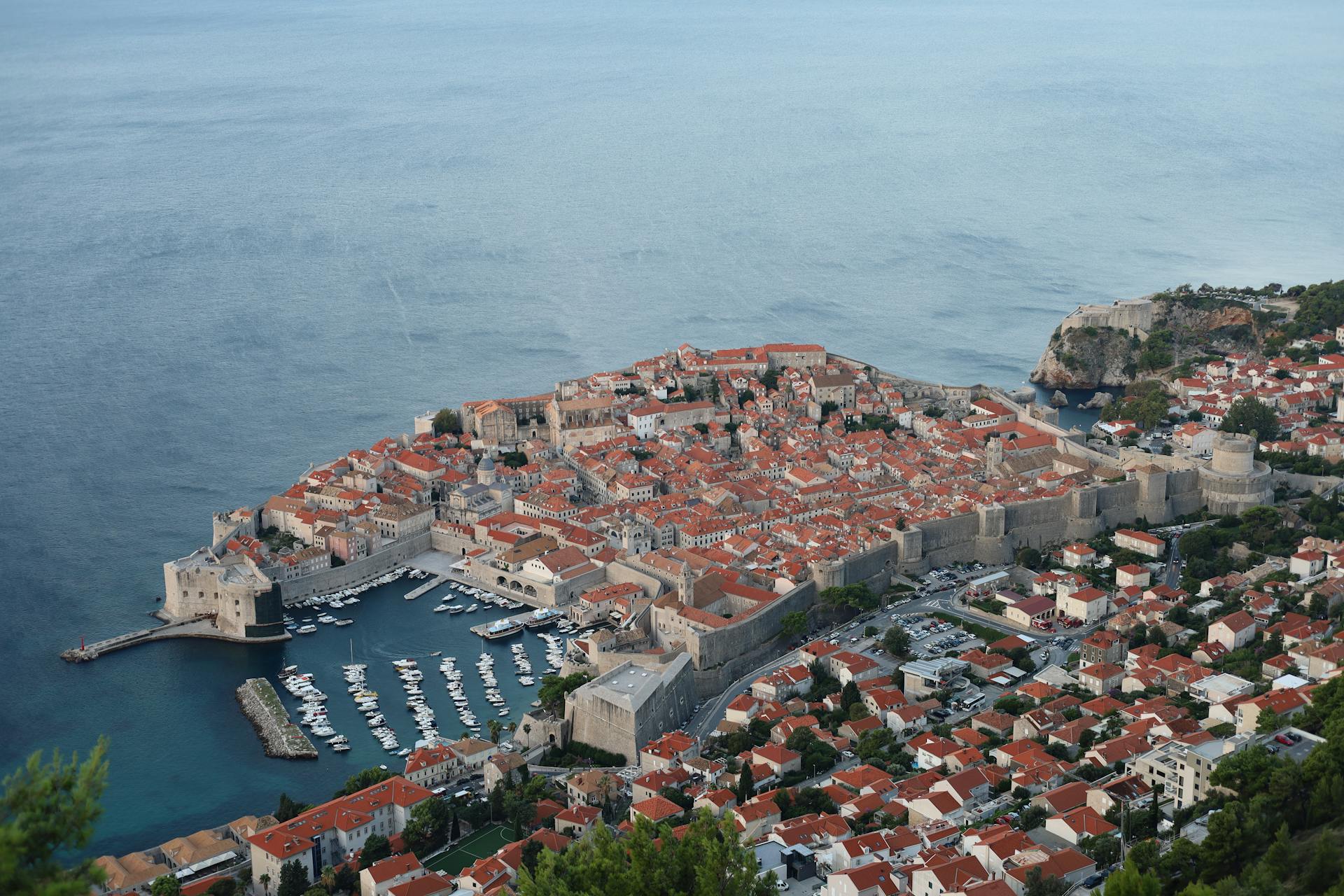
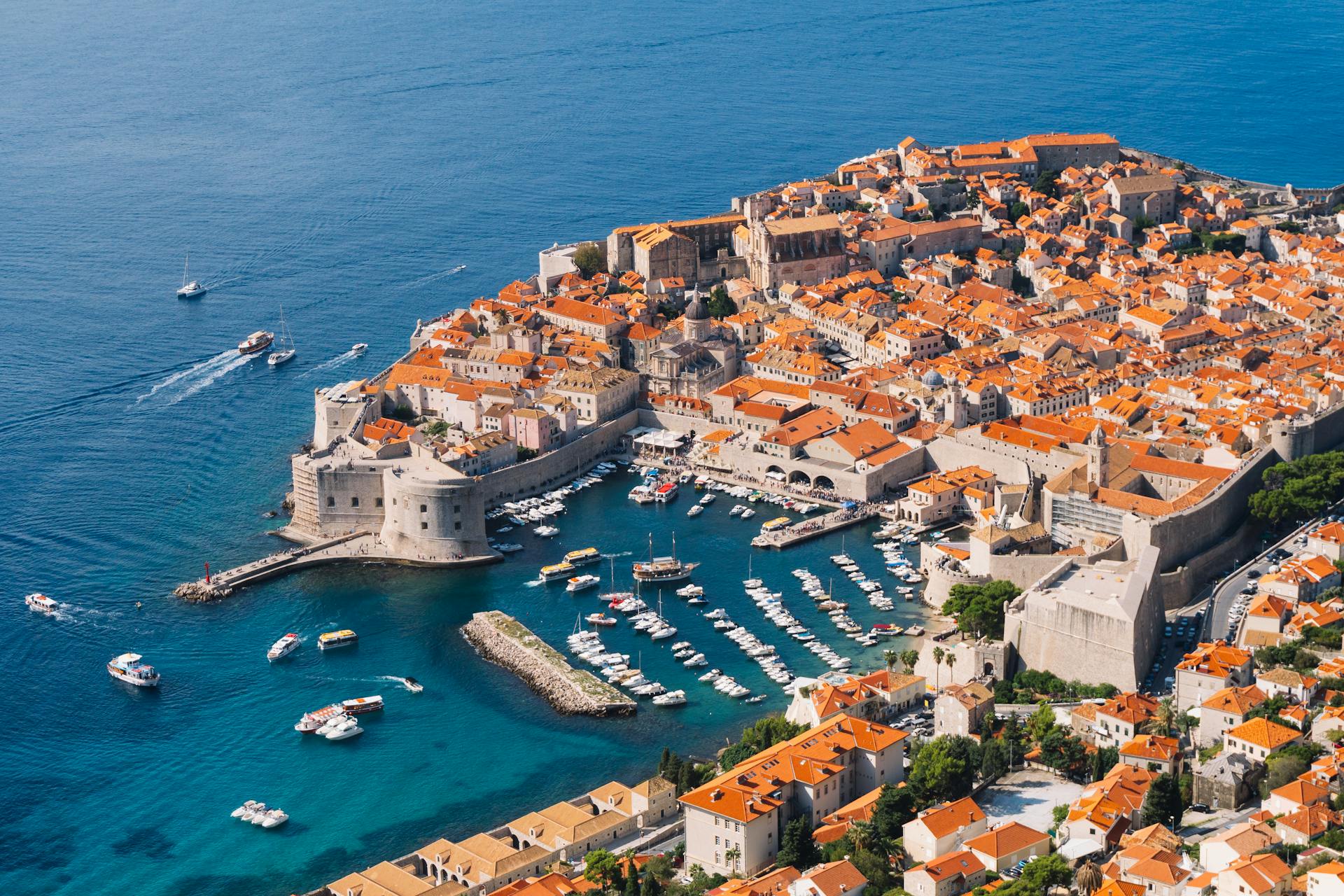
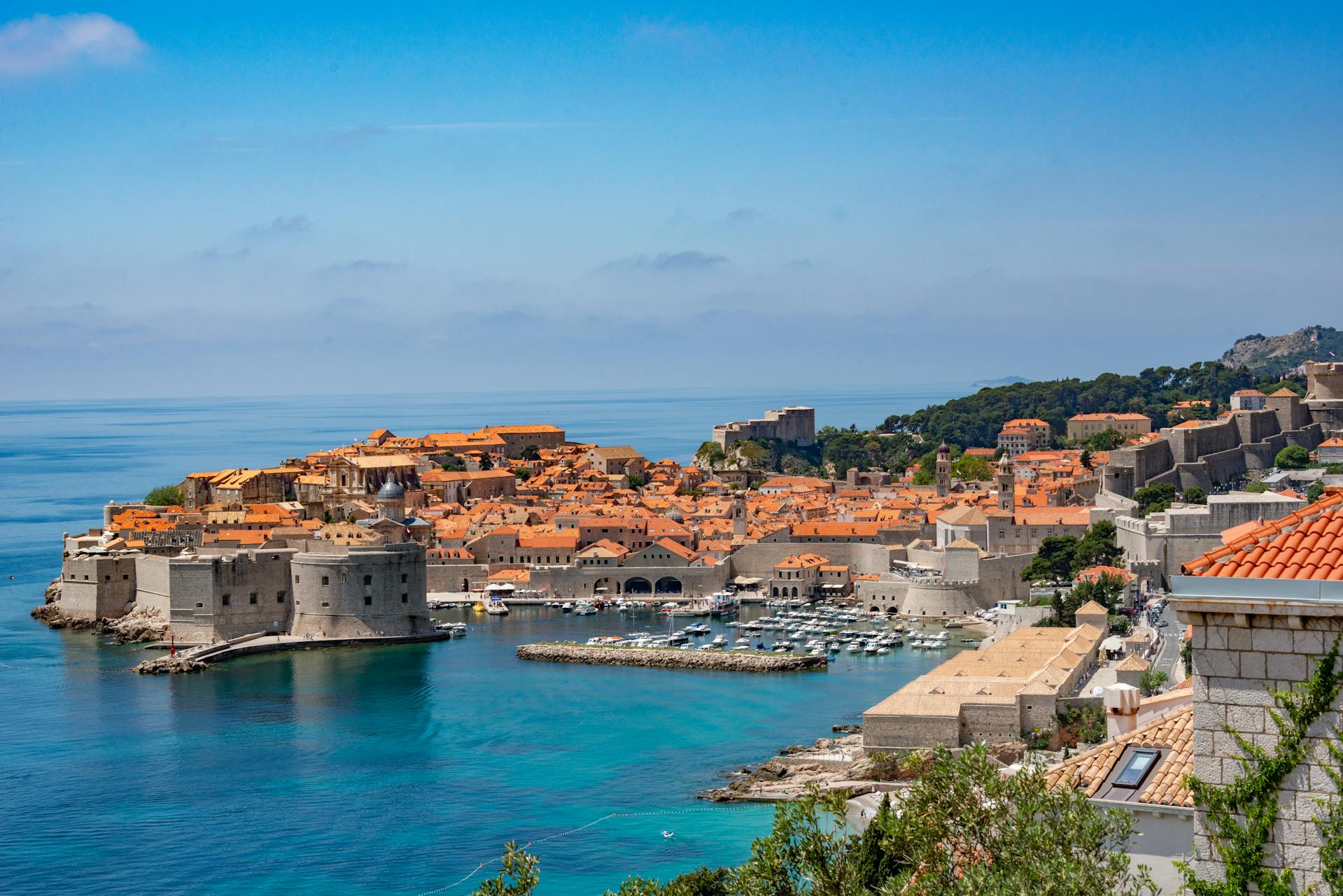
Dubrovnik’s Old Town is a UNESCO World Heritage Site and one of the most remarkably preserved urban ensembles in the Mediterranean. Beyond its visual beauty, what makes Dubrovnik exceptional is the continuity of its civic structure, urban planning, and maritime identity. The city was carefully designed as both a defensive stronghold and a refined commercial center, balancing security with elegance. Streets were aligned with precision, public buildings were strategically positioned near the harbor, and fortifications integrated seamlessly into daily life.
Unlike many medieval cities that evolved chaotically, Dubrovnik’s layout reflects deliberate planning shaped by trade, governance, and survival. The harbor connected merchants to the wider Mediterranean world, while strong walls and bastions protected accumulated wealth.
Even after catastrophic events such as fires and earthquakes, the city was rebuilt according to strict urban rules that preserved harmony in height, façade design, and street proportion. This disciplined reconstruction is one reason the Old Town feels architecturally unified today.
As you explore, you’re not simply visiting monuments—you’re walking through a functioning historical system. Government buildings cluster near the main square, religious institutions anchor social life, and narrow lanes once separated noble families’ residences from commercial quarters. Dubrovnik’s aristocratic families formed a tightly controlled governing class, and their influence shaped everything from architecture to trade policy.
The city’s strategic location between the Ottoman Empire and Western Europe allowed it to act as a diplomatic intermediary. Envoys and merchants passed through regularly, bringing cultural influences that blended Gothic, Renaissance, and Baroque styles. The result is a city that feels both Mediterranean and distinctly Adriatic.
If you only have one day in Dubrovnik, focus on landmarks that reveal how the city balanced power, trade, religion, and diplomacy—each site offering insight into how this small coastal republic maintained independence in a region dominated by larger empires.
Dubrovnik City Walls (built 12th–17th centuries)
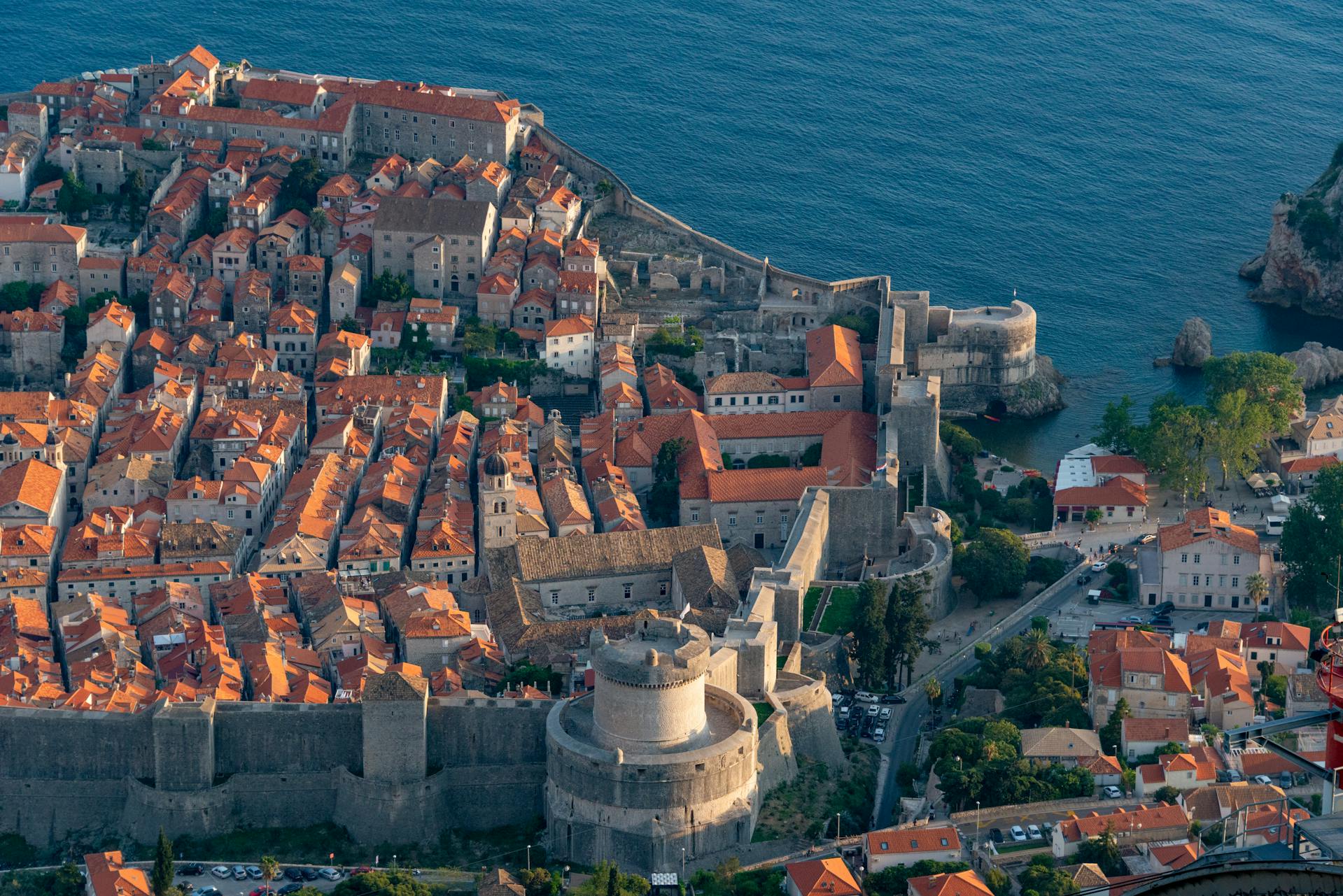
The walls are Dubrovnik’s defining landmark and the best way to understand the city’s power and strategic design. Constructed and expanded between the 12th and 17th centuries, they stretch nearly two kilometers around the Old Town and remain among Europe’s finest preserved fortification systems. Plan 1.5–2 hours to walk the full circuit. Key features include Minceta Tower (the highest point and a critical defensive position), Bokar Fortress, and sweeping Adriatic views over terracotta rooftops and rocky coastline. Go early or late in the day for better light and fewer crowds.
Stradun (Placa), the city’s limestone spine
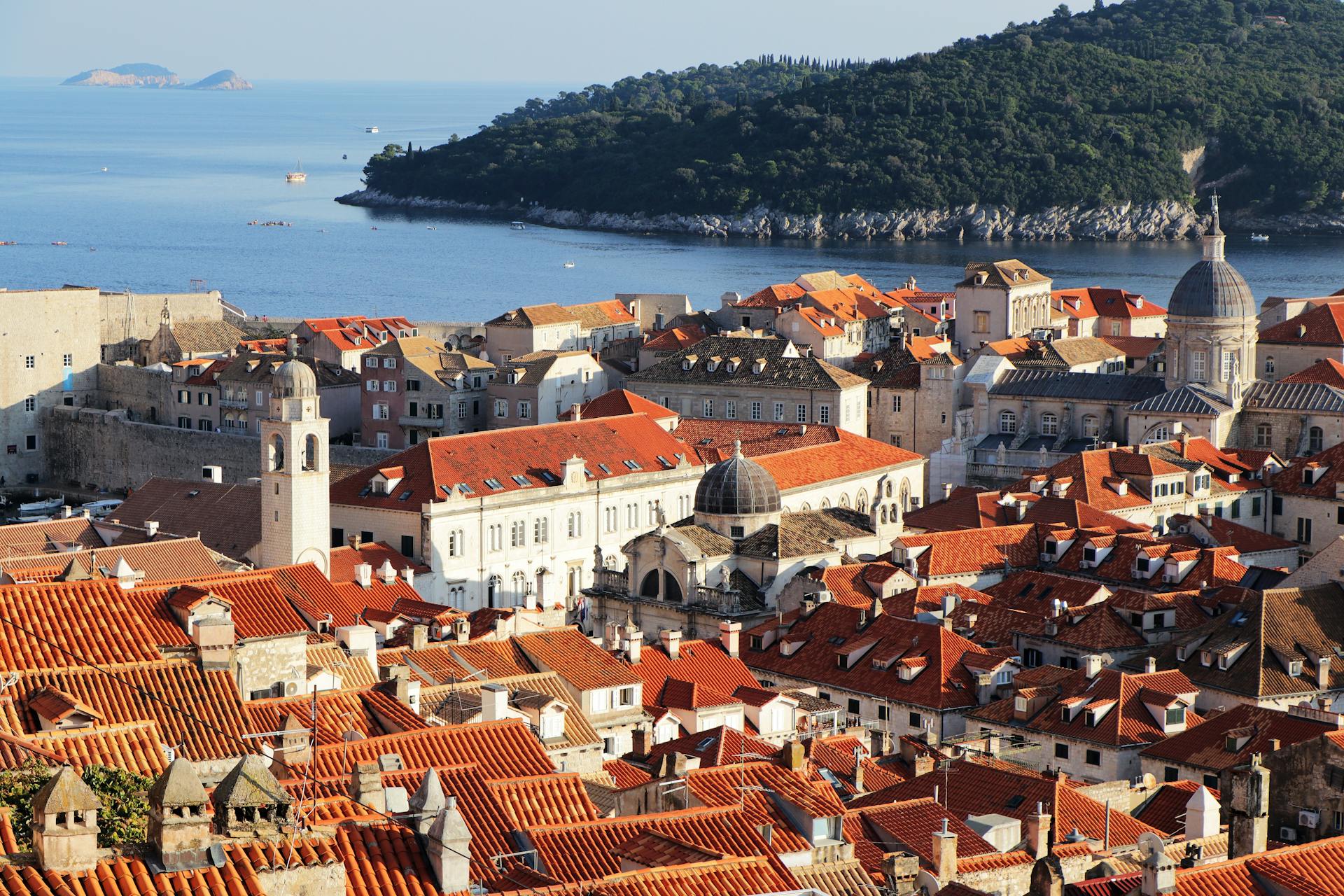
Stradun is Dubrovnik’s main street, a polished limestone corridor running from Pile Gate toward the Old Port. Historically it was the commercial and civic heart of Ragusa, lined with buildings rebuilt after the 1667 earthquake in a uniform Baroque style. Today, it’s the city’s social center—iconic, photogenic, and a perfect base for exploring side streets that hide quieter cafés and local restaurants.
Rector’s Palace, seat of republican governance
Rector’s Palace served as the political center of the Republic of Ragusa. One of the most fascinating details is that the elected rector served only one month at a time, a system designed to limit corruption and prevent power from consolidating in one person. Architecturally the palace blends Gothic and Renaissance elements, reflecting Ragusa’s wealth and cultural connections. Inside you’ll find exhibitions on the city’s political history, everyday life, and maritime legacy.
Sponza Palace, customs house and archive
Built in the early 16th century, Sponza Palace is one of Dubrovnik’s most elegant Renaissance buildings and famously survived the 1667 earthquake that destroyed much of the city. It once functioned as a customs house and treasury—fitting for a trading republic—before becoming home to the city’s archives, which preserve documents and records spanning centuries. Its courtyard is a calm, beautiful place to pause and take in the city’s architectural refinement.
Fort Lovrijenac, defense against Venice
Perched on a rocky outcrop just outside the western walls, Fort Lovrijenac was crucial to Dubrovnik’s defense, particularly against Venetian ambitions. The fort’s dramatic position makes its purpose obvious: control access from the sea and protect the city’s vulnerable western approach. The famous inscription about liberty not being sold for gold reflects Dubrovnik’s identity as a fiercely independent republic. Today it’s also known as a Game of Thrones filming location, but its real historical significance is even more compelling.
Dubrovnik Cathedral, rebuilt after the 1667 earthquake
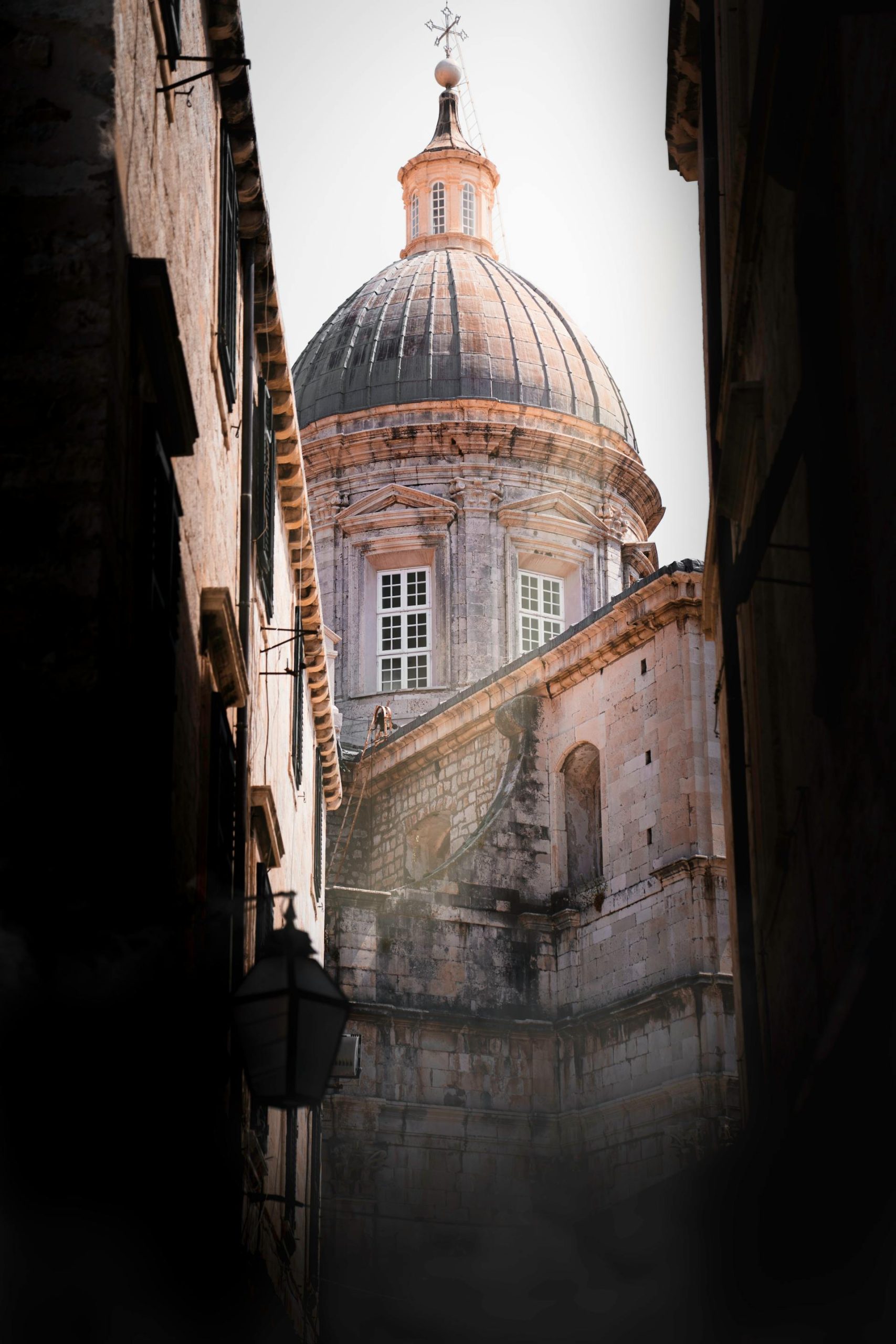
The Cathedral of the Assumption was rebuilt in Baroque style after the 1667 earthquake. It stands as a symbol of Dubrovnik’s resilience and rebuilding. Inside, art and relics reflect the city’s historic wealth and religious heritage, and the cathedral’s presence helps you understand how the earthquake reshaped Dubrovnik’s architecture into the Baroque cityscape visitors recognize today.
Franciscan Monastery and the historic pharmacy (established 1317)
The Franciscan Monastery is one of Dubrovnik’s most historically significant religious complexes. It houses one of Europe’s oldest functioning pharmacies, established in 1317, and includes a beautiful cloister that blends Romanesque and Gothic design. Even if you’re not usually drawn to monasteries, this one is worth visiting for the atmosphere, architecture, and the sense of deep continuity it represents.
Mount Srđ and the Dubrovnik Cable Car
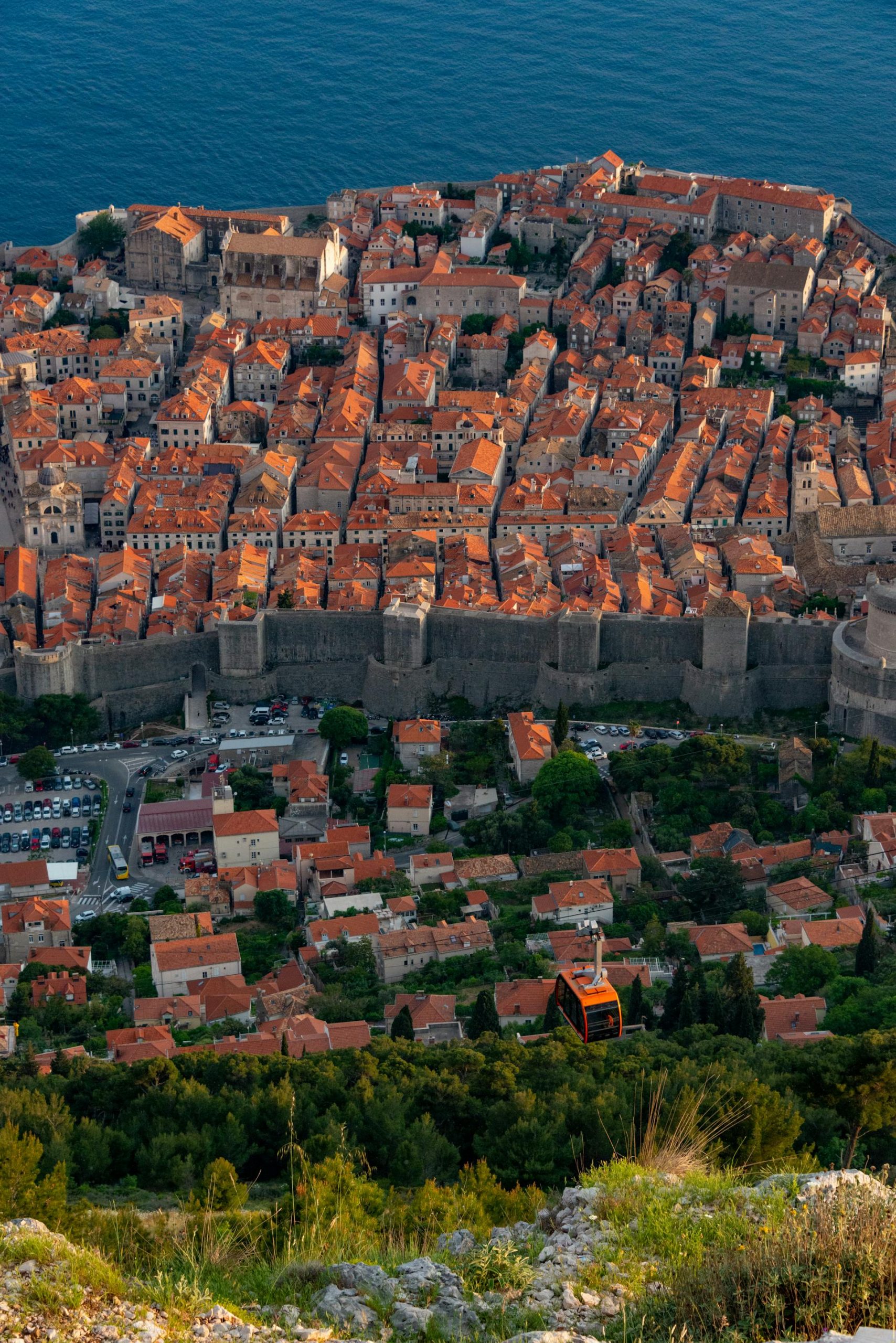
For the best panoramic view, take the cable car to Mount Srđ. From the summit, you’ll see the full outline of the Old Town, the walls, the coastline, and nearby islands—an orientation that instantly clarifies Dubrovnik’s strategic position. You’ll also find the Homeland War Museum, which provides modern historical context. If you can time this for late afternoon, the golden-hour views are unforgettable.
Lokrum Island, a quiet escape near the Old Port
Lokrum is a small nature reserve island reached by a short boat ride from Dubrovnik’s Old Port. It offers shaded walking paths, botanical gardens, monastery ruins, and calm swimming spots. If your day trip schedule allows, Lokrum is a great way to balance the intensity of the Old Town with a slower, more relaxing atmosphere.


Local cuisine in Dubrovnik
Dubrovnik’s food reflects Mediterranean traditions and regional Balkan influence, with a strong emphasis on seafood and seasonal ingredients. Popular dishes include black risotto (crni rižot) made with squid ink, grilled Adriatic fish, octopus salad, and peka—slow-cooked meat or seafood and vegetables prepared under a bell-shaped lid. For wine, Pošip (white) and Dingač (red) are classic Croatian choices. For dessert, try rožata, a local caramel custard with citrus and herbal notes.
Practical tips for a Dubrovnik day trip from Montenegro
Leave early to avoid border delays, carry your passport at all times, and wear comfortable shoes for stone streets and stairs. In peak season, consider booking city wall tickets in advance. Plan extra buffer time for the return border crossing, particularly late afternoon and early evening when traffic often increases.
Is a Dubrovnik day trip from Kotor worth it?
Yes, especially if you enjoy medieval architecture, maritime history, and Adriatic scenery. It’s a long day—often 8–10 hours including travel—and summer crowds can be intense, but with good planning (or a guided tour) Dubrovnik is one of the most rewarding excursions from Kotor.
Prefer a seamless day without driving, parking, or border timing? Our guided Dubrovnik day tour from Kotor will be available soon.
FAQ: Dubrovnik day trip from Kotor
A day trip from Kotor to Dubrovnik is straightforward, but a little preparation makes all the difference. From border crossings and travel time to transport options and timing your return, understanding the practical details will help you make the most of your visit without unnecessary stress.
How far is Dubrovnik from Kotor?
Do I need a passport to visit Dubrovnik from Montenegro?
Can I visit Dubrovnik and return the same day?
Is it better to self-drive or take a guided tour?
Can I go by bus from Kotor to Dubrovnik?
Should You Visit Dubrovnik from Kotor?
A Dubrovnik day trip from Kotor offers more than a change of scenery — it’s a journey between two historic Adriatic powers shaped by trade, diplomacy, and maritime ambition. While Kotor feels intimate and framed by dramatic mountains, Dubrovnik presents a grand, outward-facing identity built on independence and architectural harmony.
If you plan carefully, allow time for border crossings, and start early, a day trip can be both manageable and deeply rewarding. For travelers who prefer a smoother experience, joining a guided Dubrovnik tour from Kotor removes logistical concerns and allows you to focus entirely on exploration.
Whether you self-drive along the coast or travel with a professional guide, visiting Dubrovnik adds historical depth and cultural contrast to your Montenegro itinerary.
If you’re considering including Dubrovnik in your trip, keep an eye out for our upcoming curated Dubrovnik day tour from Kotor — designed to offer a seamless, well-paced experience with expert local insight throughout the day.

